Hair · 26 Oct 2026 · 8 min read
GFC vs PRP vs Exosomes for Hair: Which One Do You Need?
How GFC, PRP and hair exosomes differ, who each one suits, what to expect and how to decide which one your hair needs.
Read article
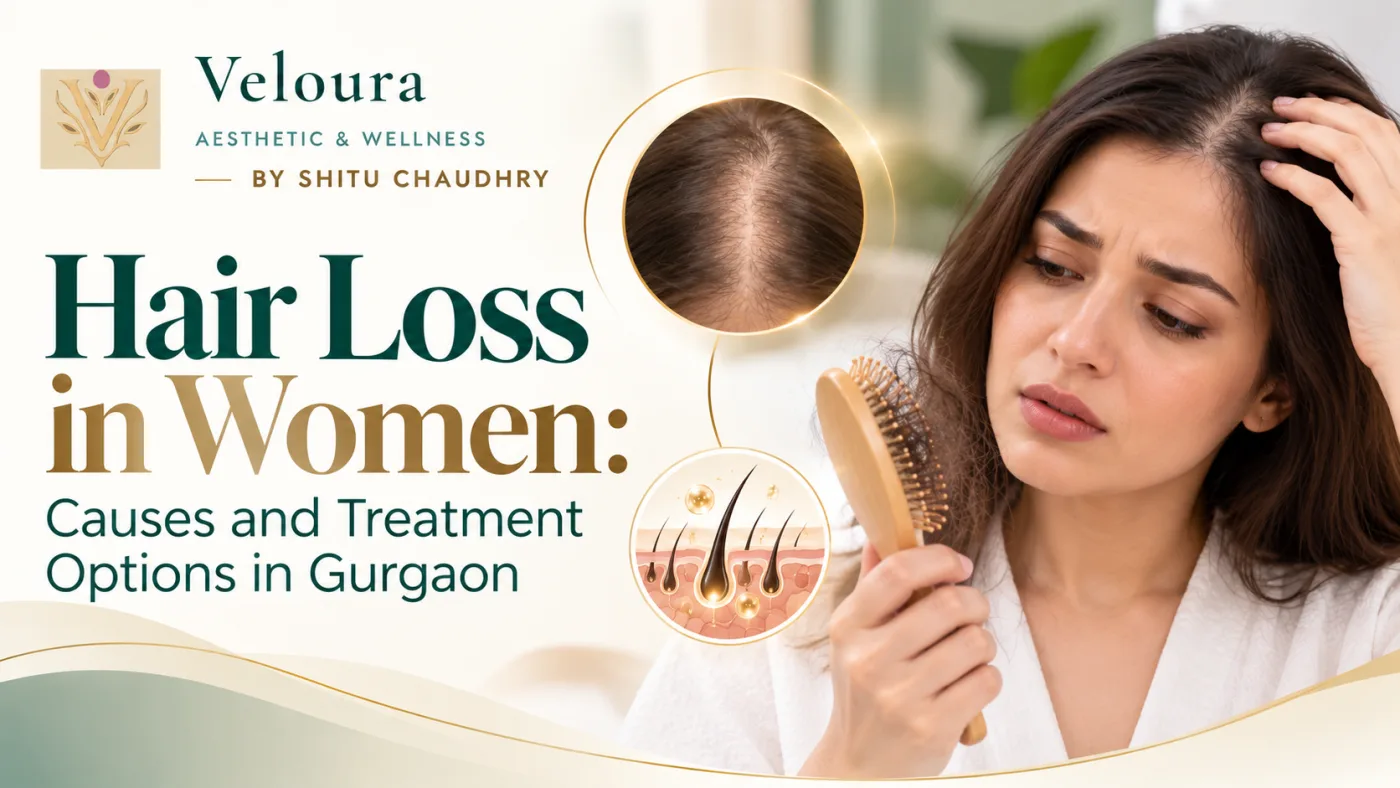
Hair loss in women often begins gradually. You may notice more hair than usual in the shower drain, a ponytail that feels thinner, or a parting that appears wider than before. These small changes can be easy to overlook at first, but over time, they can become more noticeable. For many women, this gradual change brings concern, along with questions about why it is happening and what can be done about it.
The good news is that most hair loss in women has a reason, and once that reason is understood, there is usually something that can be done. This guide explains the common causes of hair loss in women, how to tell normal shedding from real thinning, and the treatment options available for hair loss treatment in Gurgaon at Veloura Aesthetics & Wellness.
Get Hair Loss Advice on WhatsApp
Everyone sheds hair. On an average day, losing somewhere between 50 and 100 strands is normal, because hair grows in cycles and old strands make way for new ones. So a few hairs on your pillow or comb is not, by itself, a sign of a problem.
It is worth paying closer attention when you notice:
The difference matters. Hair fall is often temporary shedding triggered by something specific. Hair thinning is a gradual reduction in hair density, where follicles produce finer, weaker strands over time. They have different causes, and they are treated differently.
Hair loss in women rarely has a single cause. More often, two or three factors overlap. These are the ones we see most often.
Female pattern hair loss (also called androgenetic alopecia) is the most common cause of gradual thinning in women. Unlike men, women usually do not develop a receding hairline. Instead, the hair thins across the top of the head and the parting widens, while the front hairline often stays intact.
It is influenced by genetics and hormones, and it tends to progress slowly. Because it builds over years, it is easy to miss until the thinning is already visible. Starting early makes a real difference to what treatment can achieve.
Telogen effluvium is a temporary but often alarming type of shedding. A significant stress on the body pushes a large number of hairs into the resting phase at once, and they fall out about two to three months later. Common triggers include:
Because of the delay, many women do not connect the shedding to its cause. The encouraging part is that telogen effluvium usually settles on its own once the trigger is gone, although recovery takes months and support can help.
Hormones play a large role in hair health. Polycystic ovary syndrome (PCOS), thyroid imbalance, pregnancy, and the hormonal shifts around menopause can all affect the hair growth cycle. With PCOS, for example, higher androgen levels can thin scalp hair even while increasing hair on the face or body.
If hair loss comes with irregular periods, acne, weight changes or tiredness, a hormonal cause is worth investigating with your physician.
Hair is not essential to survival, so when the body is short on nutrients, hair is one of the first things to suffer. Low iron stores, vitamin D deficiency, low vitamin B12, and inadequate protein intake are common contributors, especially in women with heavy periods, vegetarian diets or very restrictive eating patterns.
Long working hours, poor sleep and constant stress are part of everyday life for many professionals in Gurgaon. Ongoing stress can disrupt the hair cycle and make existing thinning worse. It is rarely the only cause, but it often makes the others harder to manage.
Tight ponytails, buns, and braids pulled the same way every day can cause traction alopecia, a gradual loss along the hairline. Frequent heat styling, chemical straightening, rebonding and harsh colouring weaken the hair shaft and cause breakage, which can look like hair loss even when the roots are healthy.
Dandruff, seborrhoeic dermatitis and other scalp conditions can create inflammation that affects growth. In some cases, such as alopecia areata, the immune system targets the hair follicles and causes round, patchy hair loss, which needs proper medical evaluation.
Two women can notice the same thinning and need completely different treatments. One may have female pattern hair loss, another postpartum shedding, and a third a mix of low iron and stress. Treating hair loss without knowing the cause is guesswork, which is why so many women try shampoo after shampoo and serum after serum without seeing much change.
At Veloura, every hair concern starts with a consultation and scalp assessment. This usually looks at:
Where a hormonal or nutritional cause is suspected, you may be advised to get blood tests done through your physician, so the underlying issue can be addressed alongside any in-clinic treatment. Hair treatment works best when the root cause is not ignored.
Call Veloura for a Consultation
Once the cause is clearer, treatment can be planned around your hair, your scalp and your goals. Depending on your assessment, options at Veloura may include the following.
GFC hair treatment (Growth Factor Concentrate) uses growth factors concentrated from your own blood, which are then delivered into the scalp. The aim is to support weakened follicles and improve hair density over a course of sessions. It is often considered for early to moderate thinning and for women who want a treatment based on their own biology.
Hair exosome therapy is one of the newer approaches in hair restoration. Exosomes are tiny particles involved in communication between cells, and they are being explored for their potential to support the scalp's own repair and growth signals. As with any newer treatment, suitability and realistic expectations are discussed during consultation.
A structured hair regrowth treatment plan can combine in-clinic sessions with home care, based on what your assessment shows. For many women, a combination approach works better than relying on one treatment alone.
In-clinic treatment is only part of the picture. Your plan may also include guidance on gentle hair care, scalp health, diet, and styling habits. Any medicines for hair loss should only be started on a doctor's prescription, since some are not suitable during pregnancy or breastfeeding.
Hair grows slowly, so hair treatment takes patience. Most women notice reduced shedding first, often within the first few months. Visible improvement in density usually takes longer, commonly three to six months, because new hair needs time to grow long enough to show.
Results depend on the cause of the hair loss, how long it has been going on, your age and health, and how consistently you follow your plan. Female pattern hair loss tends to need ongoing care to maintain results, while temporary shedding such as telogen effluvium may recover fully once the trigger is managed. No honest clinic can promise a fixed outcome, and you should be wary of any that does.
It is a good idea to book a consultation if:
Early assessment gives you more options. Follicles that are thinning can often be supported. Follicles that have been inactive for a long time are much harder to bring back.
Veloura Aesthetics & Wellness is a skin clinic in Gurgaon that treats hair loss as a medical and personal concern, not a sales opportunity. Here is what you can expect:
Female pattern hair loss is the most common cause of gradual thinning in women. Sudden shedding is more often caused by telogen effluvium, which can follow childbirth, illness, stress or crash dieting.
Not always. Shedding caused by stress, illness or childbirth is usually temporary. Female pattern hair loss is long-term, but treatment can often slow it down and improve density, especially when started early.
Yes. Both can disrupt the hair growth cycle. If you have symptoms such as irregular periods or tiredness, it is worth getting checked by your physician alongside any hair treatment.
It varies with the cause and extent of hair loss. Most plans involve a course of sessions spaced a few weeks apart, followed by maintenance. Your plan is decided after assessment.
Yes. Many women notice heavy shedding two to four months after delivery. It usually settles within several months. If it continues or your hair stays thin, an assessment can help.
Reduced shedding is often noticed first. Visible improvement in density usually takes three to six months, because hair grows slowly.
Cost depends on the cause of your hair loss, the treatment chosen and the number of sessions you need. There is no single price that fits everyone, so the most accurate quote comes after a consultation.
This page is general information and is not a substitute for a medical consultation. Suitability for any treatment can only be assessed in person by a qualified clinician, who will review your history, medication and skin before recommending anything.
Keep reading
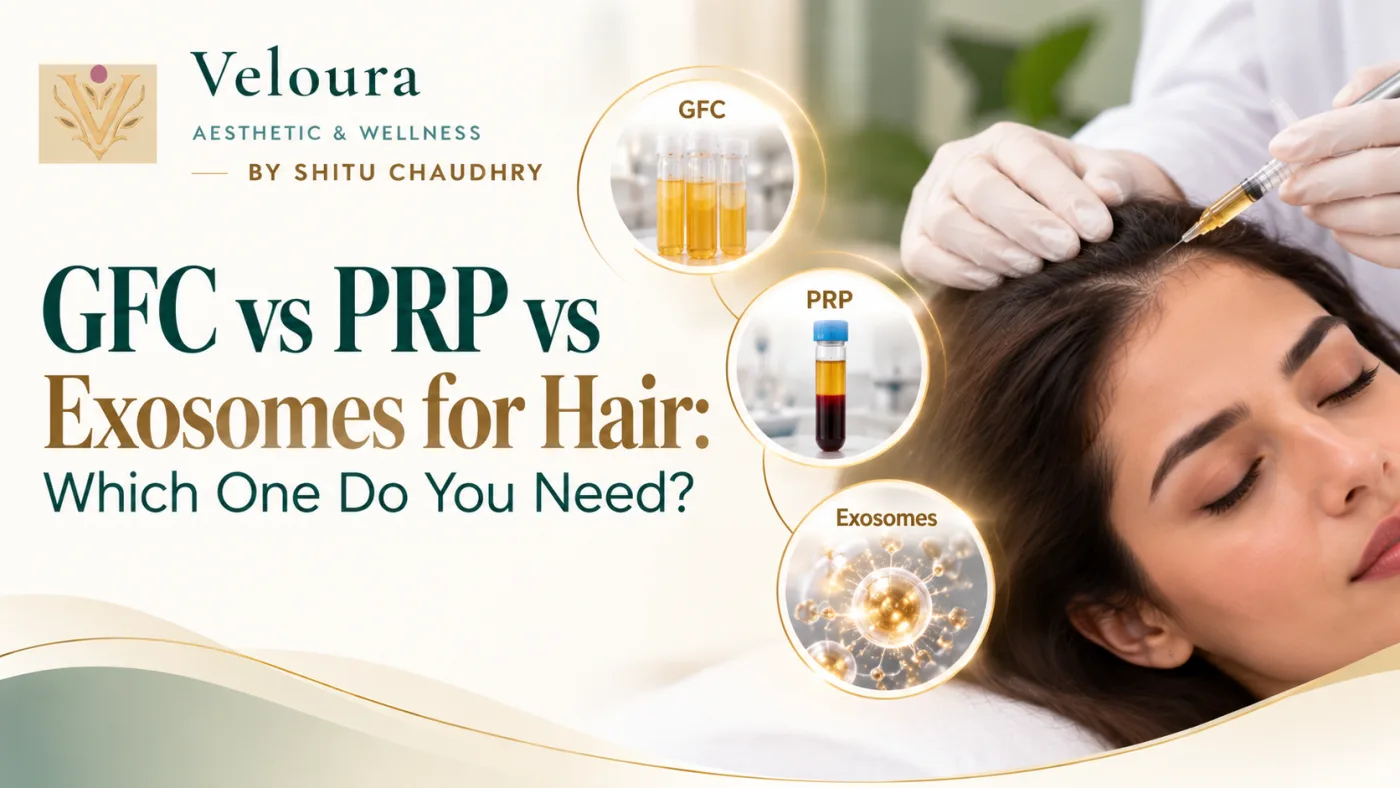
Hair · 26 Oct 2026 · 8 min read
How GFC, PRP and hair exosomes differ, who each one suits, what to expect and how to decide which one your hair needs.
Read article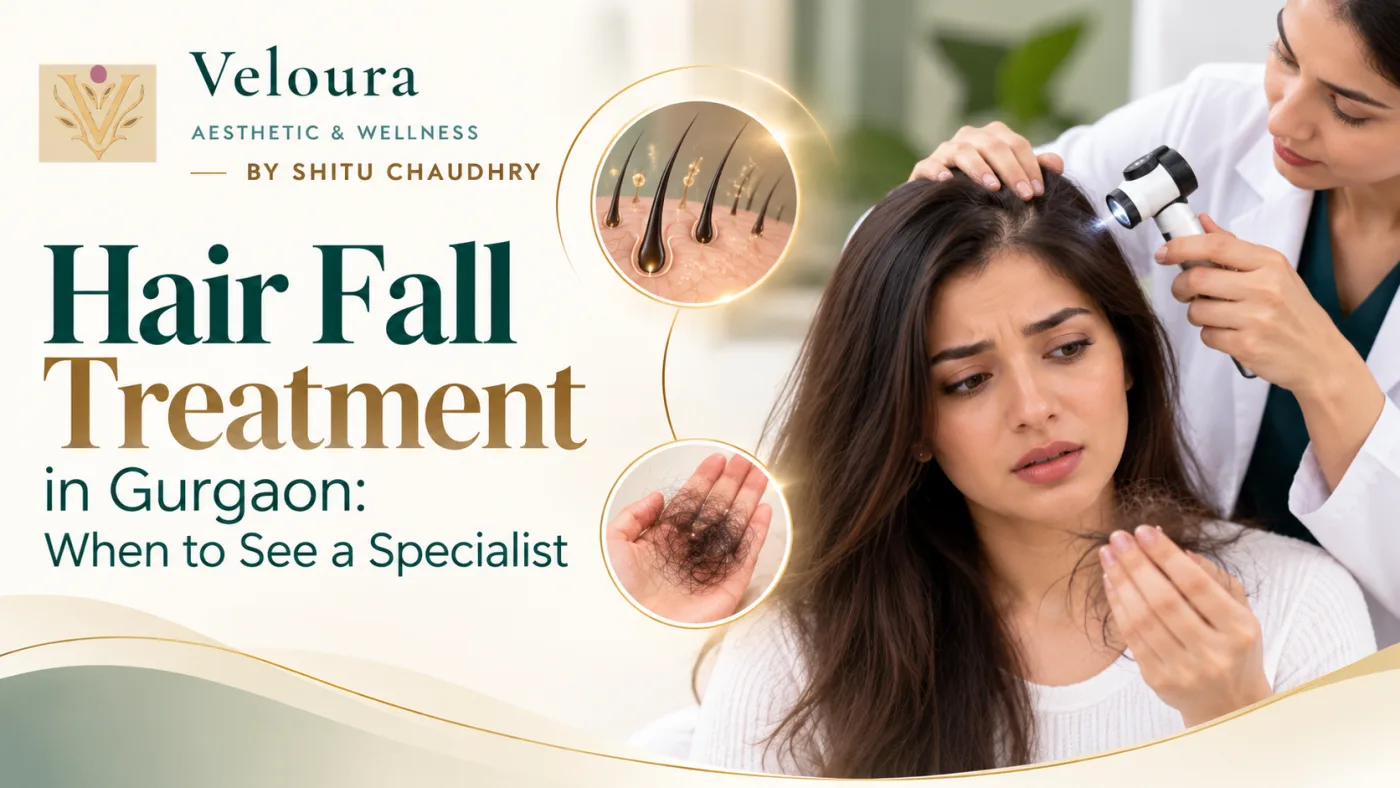
Hair · 21 Oct 2026 · 9 min read
Shedding more than usual? Learn how much hair fall is normal, what causes it, and when it is time to see a specialist in Gurgaon.
Read article
Anti-Ageing · 26 Oct 2026 · 8 min read
How skin changes in your 20s, 30s, 40s and 50s+, and which anti-ageing treatments in Gurgaon tend to suit each stage.
Read articleBegin
Ninety minutes, no obligation, and an honest answer about what is — and is not — worth doing.
Mon – Sun · 10:00 am – 7:00 pm · Huda Market, Sector 28, Gurugram